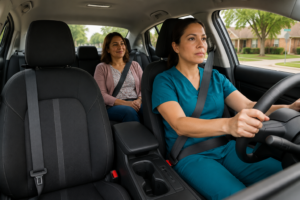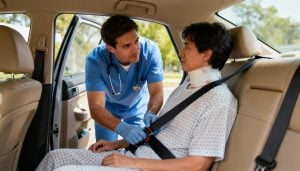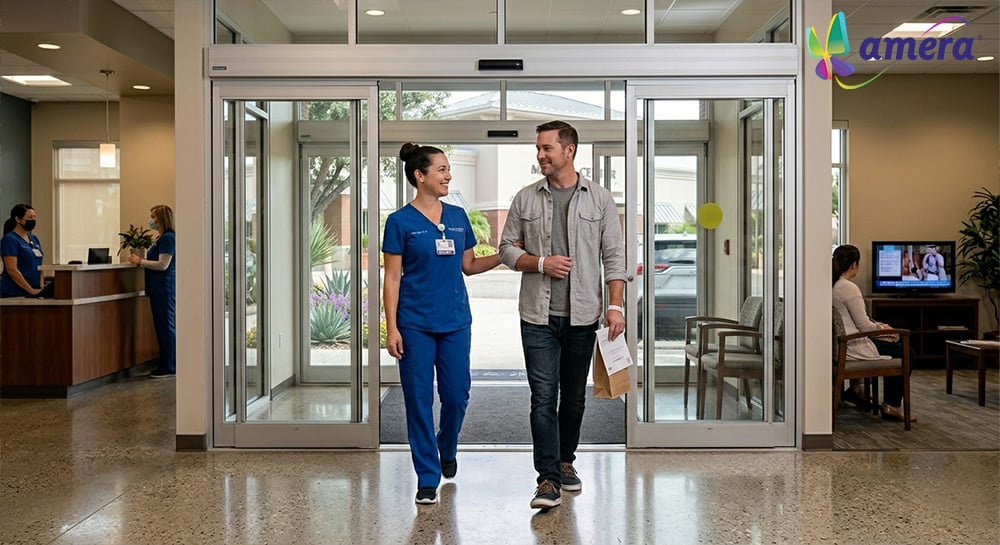
When preparing for an outpatient procedure, most patients focus on the procedure itself, recovery instructions, and time away from work or daily activities. One detail that is often overlooked is transportation.
For many outpatient procedures, having reliable transportation after surgery is not optional. In fact, many facilities require patients to arrange transportation before their procedure can begin. Failing to do so could result in delays, cancellations, or challenges getting home safely.
Amera provides dependable transportation after surgery, surgery transportation, and outpatient surgery transportation throughout the Houston area, Pasadena, Baytown, Conroe, Missouri City, Stafford, and surrounding communities, as well as nationwide.
Why Medical Facilities Require Transportation After Surgery
Many outpatient procedures involve sedation, anesthesia, or medications that can temporarily affect a patient’s alertness, coordination, and reaction time. Even when patients feel fine, these medications can impair driving ability for several hours after a procedure.
For patient safety, healthcare providers often require confirmation that transportation arrangements have been made before treatment begins.
Common procedures that frequently require transportation include:
- Colonoscopies and endoscopies
- Cataract surgery
- Dental and oral surgery procedures
- Pain management injections
- Cosmetic procedures
- Orthopedic outpatient procedures
- Many same-day surgeries
Your Procedure Could Be Delayed or Rescheduled
One of the most common consequences of not arranging transportation after surgery is having your procedure delayed or rescheduled.
Medical facilities have policies designed to protect patients. If transportation requirements are not met, providers may determine that it is unsafe to proceed with the procedure.
This can result in:
- Lost appointment times
- Additional scheduling delays
- Additional preparation requirements
- Extra time away from work or family responsibilities
- Frustration for patients and caregivers
Planning ahead helps avoid these unnecessary complications.
Why Rideshare Services May Not Be Enough
Many patients assume they can simply call a rideshare service after their procedure. However, some medical facilities have restrictions regarding rideshare transportation, particularly when patients are recovering from sedation or anesthesia.
Rideshare drivers are not trained to provide patient assistance and generally cannot help with discharge requirements or post-procedure support.
This is why many patients choose professional outpatient surgery transportation services that are specifically designed for healthcare-related travel.
The Benefits of Planning Surgery Transportation in Advance
Arranging surgery transportation ahead of time can make the entire experience smoother and less stressful.
Benefits include:
- Peace of mind before your procedure
- Reliable arrival and pickup coordination
- Compliance with facility discharge requirements
- Reduced stress for family members and caregivers
- A safer recovery experience after treatment
Knowing transportation is already arranged allows patients to focus on their health and recovery rather than last-minute logistics.
Plan Ahead for a Safer Recovery
If you have an upcoming outpatient procedure, now is the time to think about transportation. Arranging dependable transportation after surgery before the day of your procedure can help prevent delays and ensure a smoother experience from start to finish.
Amera proudly provides outpatient surgery transportation, surgery transportation, and transportation after surgery throughout the Houston area, Pasadena, Baytown, Conroe, Missouri City, Stafford, and surrounding areas, as well as nationwide.
To learn more or schedule a ride here.